Vulnerability is Human, Not a Segment
In the energy and utility sector, vulnerability is often discussed through policy frameworks and regulatory expectations. However, behind every definition sits a simple truth: Vulnerability is human.
There are many types of vulnerability, and at some point or another, most of us have been, or will be, a vulnerable customer, perhaps without even knowing it. It is a young family with a young child, an elderly customer whose eyesight means they can no longer read their meter or a household dealing with sudden illness, redundancy or the cost-of-living crisis that has squeezed household budgets.
These moments happen quietly and often unexpectedly, perhaps due to events thousands of miles away. But they fundamentally change the needs customers have from essential services.
That is why vulnerability in energy and utilities has become a critical focus. Supporting vulnerable customers in the utility sector is not simply about regulatory compliance; it is about whether essential services are truly fair and accessible for everyone.
Supporting vulnerable customers is not just about compliance.
From Compliance to Care: Why Identification Matters
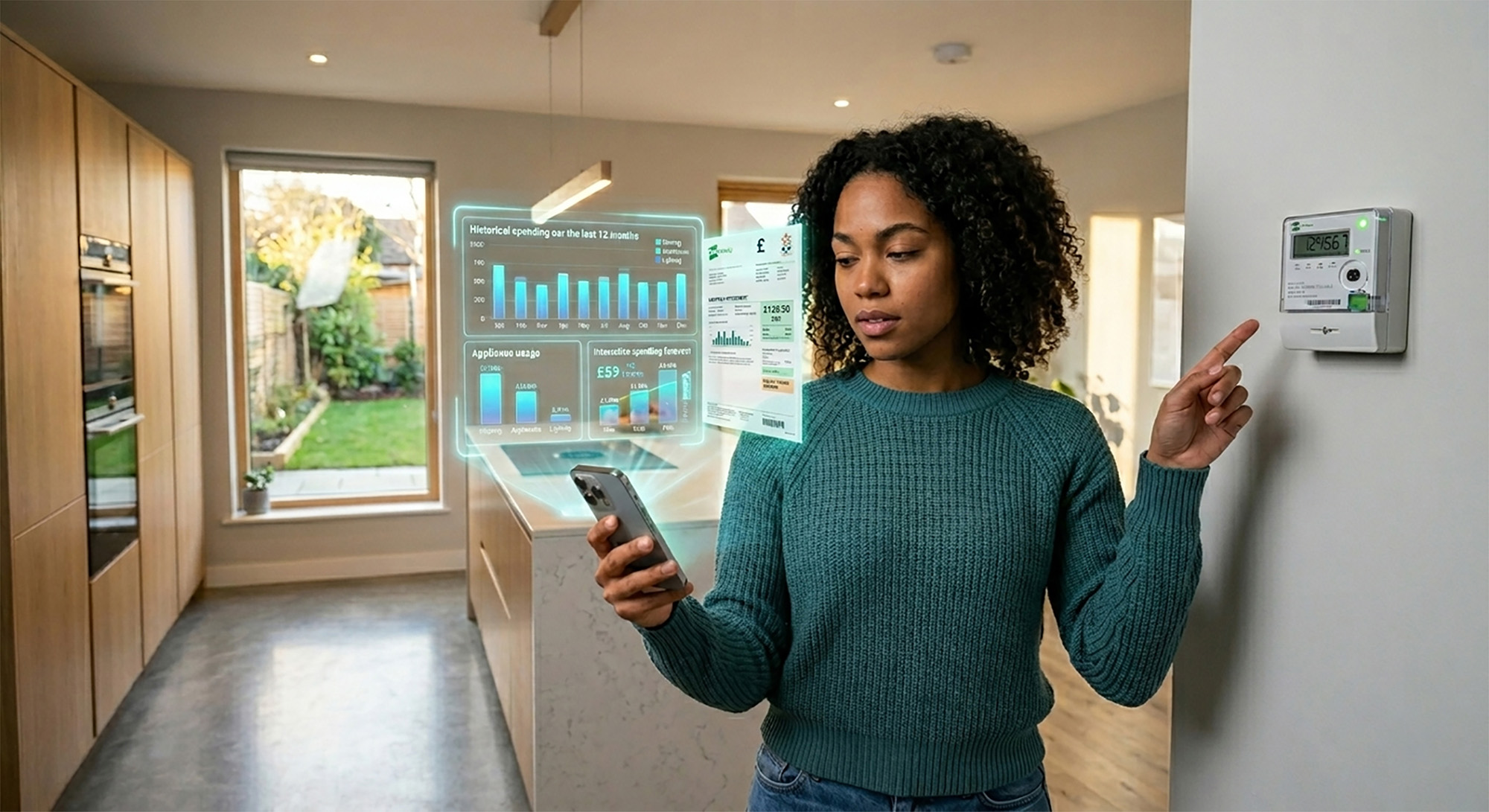
Vulnerability isn’t static. The starting point for effective support is the timely and accurate identification of vulnerability. When organisations understand which customers need additional help, they can adapt their services accordingly using the finite budgets available.
Customers on the Priority Services Register (PSR) in utilities can receive tailored support during outages. Those with medical needs may require faster restoration times. Customers experiencing financial stress can be directed toward appropriate tariffs, payment plans or support schemes. Even small adjustments in communication channels can make a meaningful difference.
Financial vulnerability among energy and utility customers is one of the most significant issues facing the sector today. Rising living costs mean more households are struggling with bills, many for the first time, and often they associate a level of stigma with vulnerability, making them reluctant to ask for help.
A key customer benefit of prepayment smart metering was remote topups taking away the need to go to the shop with a topup card and announcing your need to buy credit…
Customers who have never engaged with support schemes or payment plans are suddenly navigating collections processes. When companies recognise financial vulnerability early, they can shift from reactive debt recovery to proactive support. Flexible payment plans, clearer communication and signposting to external support can make a meaningful difference. The result is better outcomes for customers, improved relationships between customers and their providers and often stronger recovery outcomes for companies.
Identifying vulnerability allows companies to adapt services around customers rather than expecting customers to adapt to the service. However, this only works when the information companies hold is accurate and up to date.
Vulnerability isn’t static, but most systems treat it as if it is.
The Challenge of Accurate Records: Data That Doesn’t Keep Up

Maintaining accurate vulnerability data is not straightforward. Some vulnerabilities are permanent or long-term, such as a disability or chronic illness that requires ongoing support. Many vulnerabilities are often temporary and situational. Bereavement, illness, job loss or sudden financial pressure can leave customers vulnerable for a period before circumstances may change again.
This raises an important question for the sector: What is the right approach to verification?
Many organisations now conduct regular checks with customers to confirm vulnerability status. The intention is positive. Companies want to ensure they are providing the right support to those who need it most. However, a one-size-fits-all approach can feel counterproductive. For customers whose circumstances will never change, repeated verification can feel unnecessary. For others, vulnerability may arise between those checks.
The Customer Burden: When Support Creates Friction
This makes me think about the burden placed on customers themselves. Every energy supplier, water company and network operator wants to do the right thing by asking whether customers have needs that require additional support.
Recently, when I moved house and set up accounts, I was asked the same question repeatedly: Do you have needs that would help us better assist you? The question is important and, if I did have those needs, it would matter enormously. But hearing it multiple times across organisations, it started to grate on me… Each interaction adds another ten seconds, another explanation, another moment of disclosure. If a customer does have a vulnerability, how many times should we need to explain it?
There is active discussion in government and industry about a multi‑industry PSR based on “tell me once” principles, which would allow vulnerable customers to be consistently identified across energy, water and other essential services. It’s a compelling idea. The question is: What’s taking so long?
Good intent, when poorly designed, can still create friction.
What Good Support Looks Like
When vulnerability is identified and supported effectively, the benefits are clear. Customers feel understood and treated with dignity. Trust improves, complaints reduce and support reaches those who genuinely need it.
Fairness in utilities is not about treating every customer the same. It is about recognising different circumstances and adapting services accordingly. That is the true purpose of vulnerability frameworks across the sector.
The Need to Design Smarter Support Systems

The future of vulnerability support cannot rely solely on repeatedly asking customers the same question. Instead, the sector must move toward smarter approaches that make better use of data, advanced analytics and collaboration across organisations.
Customers should not have to repeatedly disclose their vulnerabilities to every service provider. With the right systems and governance in place, the sector has an opportunity to reduce that burden while ensuring support reaches the people who need it most.
One day, I may answer “yes” when asked whether I have needs that require additional support, and when that moment comes, I will want the system to work. I will want the right support at the right time, without having to fight to be understood.
That is ultimately what vulnerability frameworks in energy and utilities should achieve. Not a compliance exercise, but a system designed around a simple principle:
Essential services must work for everyone, especially when they need them most.
Join the Conversation
We’re hosting an exclusive roundtable this April to continue the conversation and share practical approaches to supporting vulnerable customers while ensuring fair and sustainable collections. If you’re a senior leader in the utilities sector and would value an open, peer-led exchange, please reach out HERE.
About the Author
Angela Booth
Senior Vice President – Energy & Utilities,
UK & Europe

Angela is Head of Business Development for Energy & Utilities at WNS across the UK and Europe. With over 17 years’ experience in operational leadership and transformation, she works with utility firms on data, AI and customer experience. She was a Utilities Woman of the Year finalist in 2024.
FAQs
1. What is a vulnerable customer in utilities?
A vulnerable customer in the utilities sector is someone who may need additional support due to their personal circumstances, such as financial stress, health conditions, disability, age or temporary life events.
Vulnerability is not always permanent; it can be situational and time-bound, meaning any customer may become vulnerable at different points in their life. The role of utilities is to identify and respond to these needs to ensure fair and accessible service delivery.
2. Why is vulnerability identification important?
Identifying vulnerable customers is critical because it enables utilities to provide timely, appropriate and tailored support, especially during service disruptions, billing challenges or emergencies.
Without early identification, support tends to be reactive, leading to:
- Delayed assistance
- Increased customer distress
- Higher operational costs
Proactive identification allows utilities to move from compliance-driven response to customer-centric care, improving outcomes for both customers and the business.
3. What is the Priority Services Register?
The Priority Services Register (PSR) is a free support service offered by energy and utility providers to identify customers who may need extra help.
Customers on the register can receive additional services such as:
- Priority support during power or service outages
- Advance notice of planned interruptions
- Accessible communication formats
- Assistance with billing or account management
The PSR helps utilities ensure that customers with additional needs are consistently better supported.
4. How can utilities reduce customer burden?
Utilities can reduce customer burden by designing processes that are simple, proactive and empathetic, including:
- Identifying vulnerability early using data and analytics
- Minimizing the need for customers to repeatedly explain their situation
- Providing personalized communication and support options
- Integrating systems across departments to avoid fragmented experiences
The goal is to shift from customer effort to provider responsibility, making it easier for customers to access help when they need it.
5. What is “tell me once” in utilities?
“Tell me once” is a customer experience principle where a customer only needs to share their situation or vulnerability a single time, and that information is then used across the organization.
Instead of repeating their story to multiple agents or departments, the system ensures that:
- Information is captured once
- Shared securely across relevant teams
- Used to deliver consistent, personalized support
This approach reduces friction, builds trust and ensures a more dignified and seamless experience for vulnerable customers.