The Industry Landscape
The Need for Data-driven Media Operations
The media and advertising industry operates in an increasingly complex digital ecosystem where success depends on the ability to collect, analyze and act upon vast amounts of campaign and performance data. With multiple channels, platforms and touchpoints generating data continuously, agencies need innovative, scalable ways to integrate disparate data sources, deliver timely insights and demonstrate ROI to their advertiser clients.
Leading media agencies are responding by centralizing data architecture, automating pipelines and embedding Artificial Intelligence (AI) and advanced analytics into planning and optimization workflows. These capabilities are now essential for real-time media performance management and competitive differentiation.
The Client Challenge
Disparate Systems and Limited Insights Delivery
The client’s data operations spanned multiple markets and service lines, with each team relying on manual data extraction, spreadsheet-based analysis and fragmented reporting systems. This constrained visibility for decision-makers, hampering media budget allocation and restricting their ability to guide advertiser-partners with timely, data-backed insights.
The agency saw an opportunity to build a unified and scalable media intelligence foundation to enhance both planner productivity and advertiser-facing reporting. Key priorities included:
Unified Data System
Integrating disparate data sources across campaigns, spend feeds and performance metrics
Rapid
Analytics
Enabling near real-time monitoring and performance optimization across channels
Advertiser-centric Reporting
Improving advertiser-partners' experience through automated, customizable dashboards and reports
Scalable Architecture
Establishing a cloud-based platform capable of adapting to new markets and data volumes
The Solution
A Unified, Cloud-native Media Intelligence Platform
As a domain-led digital transformation partner, WNS Analytics collaborated with the agency to design and deliver a centralized, AI-powered media intelligence platform using Azure-native technologies. The engagement combined deep analytics expertise, data engineering and Generative AI to create a fully integrated ecosystem for near real-time insights.
The solution comprised three main pillars:
- Designed an enterprise-wide data strategy, including data models, platform architecture, security and multi-market scalability
- Built automated ingestion and transformation pipelines to unify campaign, spend and performance data
- Implemented a robust governance framework with metadata management, quality checks, access controls and compliance structures
- Embedded natural language-to-SQL capabilities, allowing planners to query datasets conversationally for real-time campaign optimization
- Integrated LLM-based interfaces for query-based insights generation and conversational reporting, supported by seamless and interactive Power BI-based visualization
- Deployed near real-time, self-service dashboards for planner and advertiser-partner teams to track budgets, performance and pacing
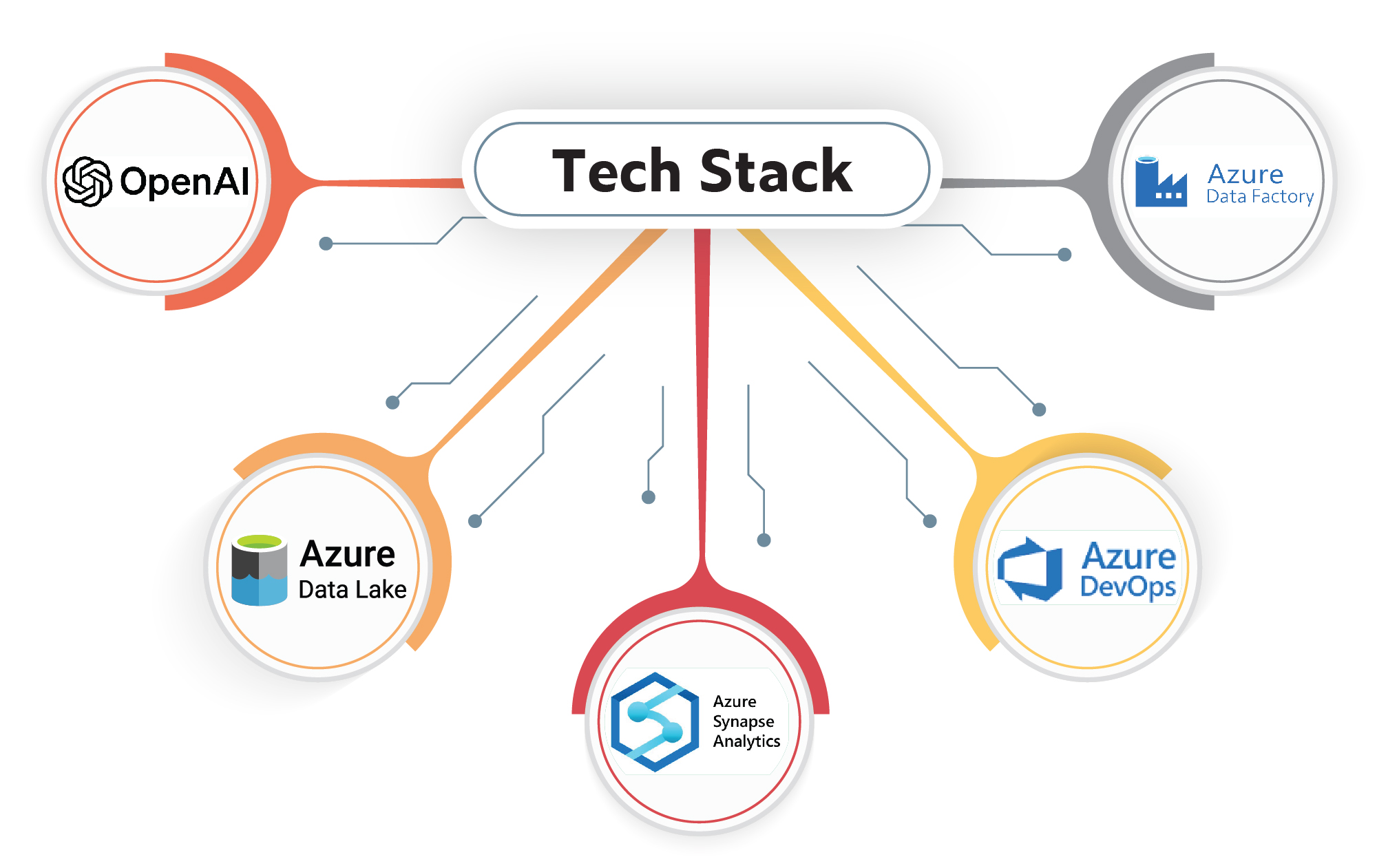
The Outcome
A Future-ready, AI-enabled Media Analytics Foundation
The transformation created a unified, cloud-native media intelligence ecosystem that accelerated decision-making, enhanced planner productivity and strengthened collaboration with advertiser-partners.
The platform now supports near real-time insights and media mix optimization while improving user experience through AI-powered reporting and intuitive digital cockpits. It also established a scalable data foundation that enables multi-market integration and future AI-led enhancements
Key tangible outcomes include:
~0%
Improvement in media budget utilization for advertiser-partners through dynamic insights
~0%
Reduction in report preparation time through automated, near real-time dashboards
FAQs
1. What is an AI-powered media intelligence platform, and how does it improve campaign visibility and performance measurement?
An AI-powered media intelligence platform integrates fragmented campaign, spend, and performance data into a unified environment, enabling faster analysis and clearer visibility across media activities. By combining data engineering, AI, analytics, and interactive dashboards, it helps teams monitor campaign performance, identify trends, and make more informed investment decisions.
2. How does media intelligence for campaign optimization help advertisers maximize media spend and ROI?
Media intelligence for campaign optimization helps advertisers bring campaign, budget, and performance data together to understand what is working across channels. AI-powered analytics can identify performance patterns, monitor budget utilization, and surface actionable insights, enabling media planners to optimize investments, improve campaign effectiveness, and pursue stronger returns from media spending.
3. What are the key benefits of implementing AI-driven campaign performance analytics across multi-channel marketing campaigns?
AI-driven campaign performance analytics provides a consolidated view of campaign results across multiple channels, markets, and media activities. It reduces reliance on manual reporting, accelerates insight generation, improves data visibility, and enables teams to identify performance trends more quickly. This supports better optimization, greater planner productivity, and more informed marketing decisions.
4. How does a marketing media analytics and insights platform enable faster and more informed media planning decisions?
A marketing media analytics and insights platform centralizes campaign, spend, and performance information while providing interactive dashboards and AI-enabled analysis. Planners can access relevant insights faster, explore data through conversational queries, monitor campaign pacing, and evaluate media performance without depending extensively on manual data extraction or spreadsheet-based reporting.
5. Why are AI-based advertising investment decisions becoming essential for modern media agencies and advertiser-partners?
AI-based advertising investment decisions are becoming essential as media environments grow increasingly complex, with large volumes of data spanning channels, campaigns, markets, and audience segments. AI helps agencies and advertisers analyze this information rapidly, uncover performance patterns, improve budget allocation, and make evidence-based investment decisions while responding more effectively to changing campaign conditions.
6. How did WNS Analytics build an AI-powered media intelligence platform that improved media budget utilization and accelerated campaign insights for a leading UK-based media agency?
WNS Analytics developed an AI-powered media intelligence platform using a cloud-native architecture on Microsoft Azure, bringing fragmented campaign, spend, and performance data into a unified ecosystem. Automated data pipelines, governance, Power BI dashboards, and GenAI capabilities, including natural-language-to-SQL, helped accelerate insights, improve planner productivity, enhance budget visibility, and support smarter media investment decisions.